PPM rates for military move claims depend on approved weight, distance, orders, location, and current military rules. A personally procured move lets you hire your own mover instead of using a government-selected carrier. Lynchburg Movers can help with packing, loading, transport, and move records, but the service member must secure approval and submit the claim.
Table of Contents
- What Is a PPM or DITY Military Move?
- How Do PPM Rates for Military Moves Work?
- How Much Weight and Allowance Do You Get for a PPM?
- Which Moving Expenses Count Toward PPM Reimbursement?
- How Do You Hire a Mover for a Military PPM?
- What Documents Do You Need for a PPM Claim?
- How Can You Maximize Your PPM Reimbursement?
What Is a PPM or DITY Military Move?
A PPM is a move that a service member plans and manages. The member does not give the full move to a carrier chosen by the government. DITY is the older name for this type of move. A member may hire a moving company, rent a truck, or use more than one method.
The rules can depend on your orders, service branch, destination, and current PCS program. PCS means permanent change of station. After you receive official orders, speak with the transportation office that handles your move. The office can tell you if a PPM is allowed.
That office also explains counseling, weight rules, forms, deadlines, and claim steps. Advice from an older move may not fit your new orders. Rules can change, and another service member may have a different allowance.
The move must be approved, completed, weighed, and recorded in the right way. Keep the moving contract, paid invoice, weight tickets, delivery records, and other required proof. A missing approval or record can delay the review or reduce the amount supported by your claim.
Some service members choose a PPM because it gives them more control. They may choose their dates, packing plan, and delivery schedule. A professional mover can handle boxes, stairs, loading, transport, and large furniture while the member manages the claim.
Lynchburg Movers helps households with packing, loading, and moving support. The company cannot approve a military claim or promise that a military office will repay an expense. The transportation office remains the source for official claim rules.
How Do PPM Rates for Military Moves Work?
Ask the transportation office how your PPM reimbursement will be figured under current rules. PPM rates for military move claims are not a standard price list. They are also not a guaranteed payment. The mover's quote and the military allowance are separate amounts.
The Defense Travel Management Office publishes military travel guidance. Still, the transportation office for your PCS is the best source for your current calculation. Online examples, old calculators, and social media posts may no longer be correct.
The estimate may use your approved household goods weight, distance, location, move type, dates, rank, dependents, and orders. A long route or remote destination can change the mover's quote. Stairs, storage, a narrow delivery window, and hard building access can also change that quote.
Those details may not change the military allowance in the same way. That is why you should not use a mover's estimate as proof of your reimbursement. Ask the transportation office to explain each part of the approved plan.
Before you sign a contract, ask about the approved distance, weight, calculation, eligible costs, and limits. A clear moving estimate can help you plan the physical work. It cannot replace military approval.
Lynchburg Movers can help Lynchburg service members plan the physical side of a move. Only the transportation office decides how the claim will be reviewed. This difference is important when you compare the cost to move with the possible allowance.
How Much Weight and Allowance Do You Get for a PPM?
Your authorized household goods weight is the amount allowed under your orders and current rules. It is not always the weight of everything in your home. The allowance may depend on grade, dependency status, and order type.
A neighbor or coworker may have a different allowance. Do not use another person's number when planning your move. Ask the transportation office for the amount that applies to your orders.
Confirm the allowance before you pack. This gives you time to move, sell, donate, store, or discard items. Review heavy goods such as appliances, gym equipment, tools, and outdoor furniture.
Removing items you do not need may lower your commercial moving costs. It can also make loading safer and easier. A smaller shipment may need less space, fewer workers, or fewer loads.
Household goods are often recorded with approved weight tickets. A weight ticket shows the weight of a vehicle or load at an accepted scale. Your transportation office should explain the exact process.
Ask about empty and loaded vehicle weights. Also ask which scales are accepted and how packing materials are handled. Separate vehicles, trailers, or storage loads may need separate tickets.
An overweight shipment can create costs that the approved reimbursement does not cover. Ask for instructions before weighing your first load. A mover can discuss safe loading, but only the transportation office can explain how excess weight affects your claim.
Which Moving Expenses Count Toward PPM Reimbursement?
Eligible expenses depend on the current program, your orders, and transportation-office instructions. Do not assume that every moving charge will qualify. Ask before the expense happens, and keep proof for each approved cost.
A service may be useful but still fall outside military reimbursement rules. Keep a full file from counseling through delivery. Useful records may include:
- The signed moving contract and detailed invoice.
- Certified weight tickets for the empty and loaded vehicle.
- Receipts for approved packing, loading, transport, or related work.
- Proof of payment that matches the invoice.
- Delivery records and required claim forms.
Some costs may not qualify. These may include unapproved storage, extra services, personal travel, damage claims, or charges caused by an uncleared change. Ask before adding storage, changing delivery dates, or moving items outside the household goods shipment.
You should also ask before changing the number of loads. Request written guidance when possible. Damage and missing-item claims may use a separate process from the PPM claim.
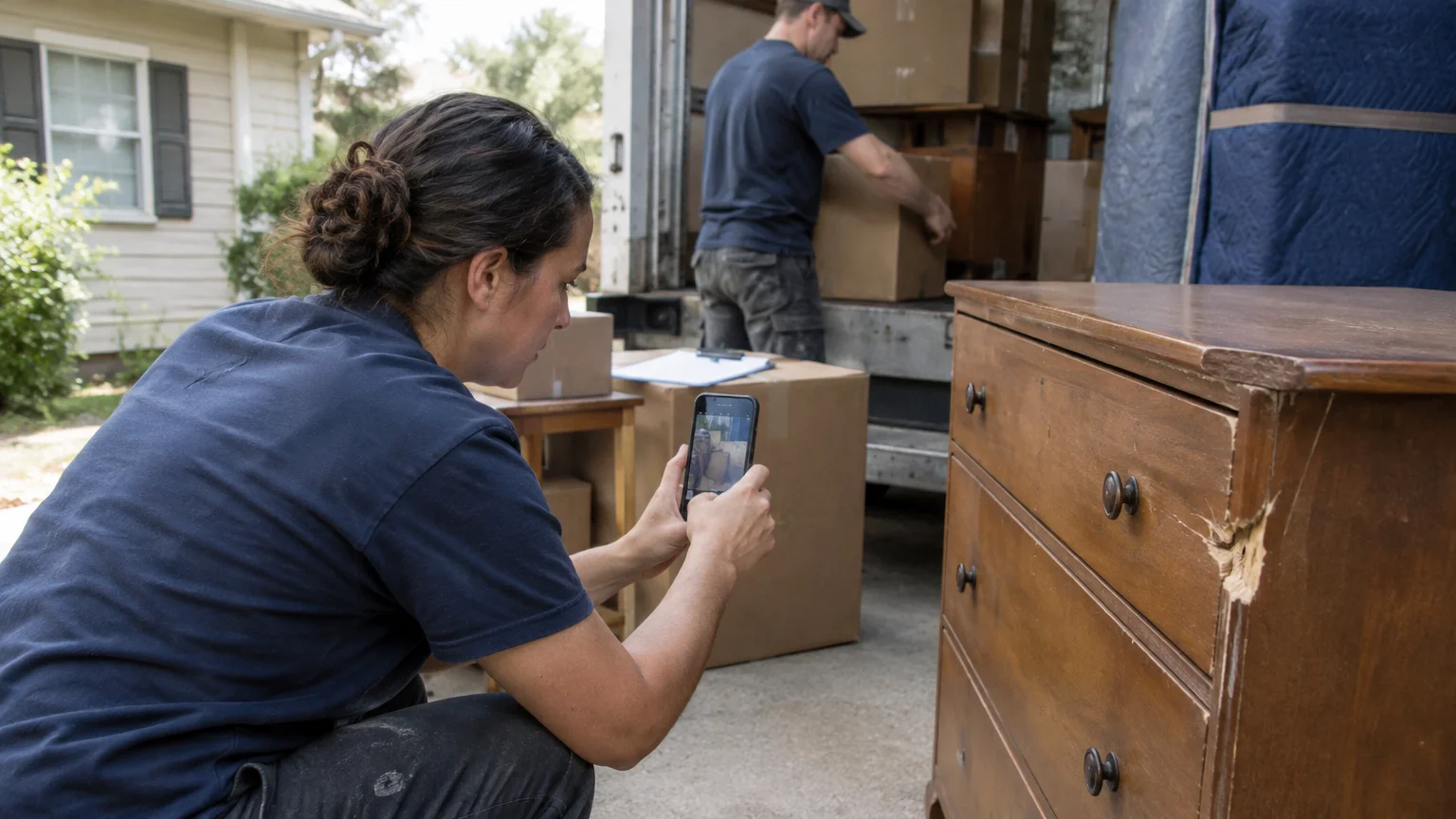
Take clear photos or scans of every important paper. Use simple file names with the move date and document type. Keep copies in a secure place, and do not depend on one device for your only copy.
How Do You Hire a Mover for a Military PPM?
Choose a mover that gives you a written scope of work and understands PCS timing. The scope should explain what the crew will pack and what you must pack. It should also explain item protection, delivery, stairs, elevators, storage, extra labor, cancellation, and delays.
Local Movers can help with house, apartment, or office moves. Furniture Movers may help with heavy or delicate items. Commercial & Office Movers can help a business owner during a PCS-related change.
Some service members need full packing and transport. Others need loading help for a rented truck or help with only large furniture. Choose the service that matches your approved plan and physical needs.
Check the company's legal details, insurance information, service area, and written terms. Ask these questions before you hire:
- Who supplies boxes, wrap, labels, and other packing materials?
- Which items will the crew not pack or carry?
- How will floors, walls, doorways, and furniture be protected?
- How will weight tickets be created and given to you?
- What happens if the address or delivery date changes?
Compare the contract with your approved PPM plan. A quote does not show what the military will repay. It only explains the mover's planned work and commercial charge.
Lynchburg Movers can help Lynchburg residents review practical moving details. The transportation office must still confirm claim rules, approved costs, and required records. Keep those roles separate when you plan how to move.
What Documents Do You Need for a PPM Claim?
A PPM claim needs records that show the move was approved, completed, weighed, and paid for. The transportation office gives the exact list for your move. Start collecting papers before loading begins.
Important records may include orders, counseling forms, authorization documents, the moving contract, invoices, receipts, weight tickets, proof of payment, delivery confirmation, and claim forms. Check names, dates, addresses, vehicle details, and amounts across all records.
An invoice and bank statement may not be enough. Your office may need a receipt, a signed delivery record, or another form. Ask what each expense must show before you submit the claim.
Weight tickets need special care. Ask which scales are accepted and which details must appear on each ticket. A ticket with an unclear vehicle number, missing weight type, or wrong date may need correction.
Get instructions for trailers, storage loads, partial shipments, multiple vehicles, and vehicles weighed more than once. These situations can need extra records or separate approval.
Keep paper and digital copies in folders named Orders, Contract, Weights, Receipts, Payment, Delivery, and Claim. Write down conversations with the transportation office. Include the date, staff member's name, and advice given.
After delivery, compare the final invoice with the contract. Follow the mover's process for damaged or missing items. Follow the military process for the PPM claim. These may be two separate matters.
How Can You Maximize Your PPM Reimbursement?
Careful planning cannot promise a payment. It can help prevent delays, unsupported costs, and paperwork problems. Start with approval, a clear weight goal, a written contract, and complete records.
Do not plan around an old calculator or a mover's promise. Confirm the current process with the transportation office. Then match your moving plan to the approved instructions.
A practical plan includes:
- Review your orders and ask about PPM approval.
- Sort items into move, sell, donate, store, and discard groups.
- Request a detailed written scope of work from the mover.
- Confirm how the shipment will be weighed and recorded.
- Keep receipts, payment proof, and delivery records together.
- Review claim instructions before submitting any forms.
Confirm the current weight allowance, required tickets, eligible expenses, deadline, and submission method. Ask whether storage, partial moves, multiple shipments, or vehicle rentals need separate approval.
Same-Day & Last-Minute Movers may help with an urgent schedule. Transportation-office approval is still needed. Leave time for weather, building access, vehicle issues, packing changes, and delivery delays.
If your address, orders, storage plan, number of loads, or mover changes, tell the transportation office quickly. Save the written response. Update the mover so the commercial records remain correct.
Key takeaways
- A PPM lets a service member arrange an approved PCS move.
- PPM rates depend on current rules, weight, distance, location, and orders.
- A mover's invoice does not guarantee the military reimbursement amount.
- Weight tickets, contracts, receipts, and payment records support the claim.
- The transportation office should approve the plan before moving day.
Frequently Asked Questions
The answers below give general planning help. They do not replace transportation-office instructions. Confirm the allowance, document list, and deadlines for your PCS before making financial commitments.
Is a PPM the same as a DITY move? Yes. PPM is the current name for what many people call a DITY move. Both terms describe a service member arranging an approved household move instead of using a fully government-arranged shipment. The transportation office confirms eligibility and required documents.
How are PPM rates for military moves calculated? The estimate may use approved household goods weight, distance, location, orders, and current program rules. It does not simply copy the mover's invoice. Use the transportation office's estimate instead of old online examples, especially for unusual situations.
Can a service member hire a professional moving company for a PPM? Yes, when the PPM is approved. Choose a company that provides a written contract, clear invoices, and acceptable weight records. Hiring a mover does not transfer responsibility for approval, records, or claim submission.
What happens if the move weighs more than the allowance? You may have to pay costs above the approved allowance. Remove unwanted items before loading, ask about the limit, and confirm the weighing process. The transportation office explains how extra weight affects the claim.
Can moving expenses be reimbursed without receipts? Some claims require receipts, invoices, weight tickets, or payment proof. Missing records can delay review or make an expense hard to verify. Ask for the exact document list and keep paper and digital copies throughout the move.
Conclusion
A PPM can give a service member more control over a PCS. It also requires approval, planning, and complete records. Confirm the allowance, learn the current process, choose a mover with clear terms, and follow instructions for weight tickets, eligible expenses, deadlines, and submission.
Lynchburg Movers can help with packing, loading, and transport. Contact us to request a quote for the moving support needed for your PCS. Continue using the transportation office for official approval, allowance details, and claim guidance.