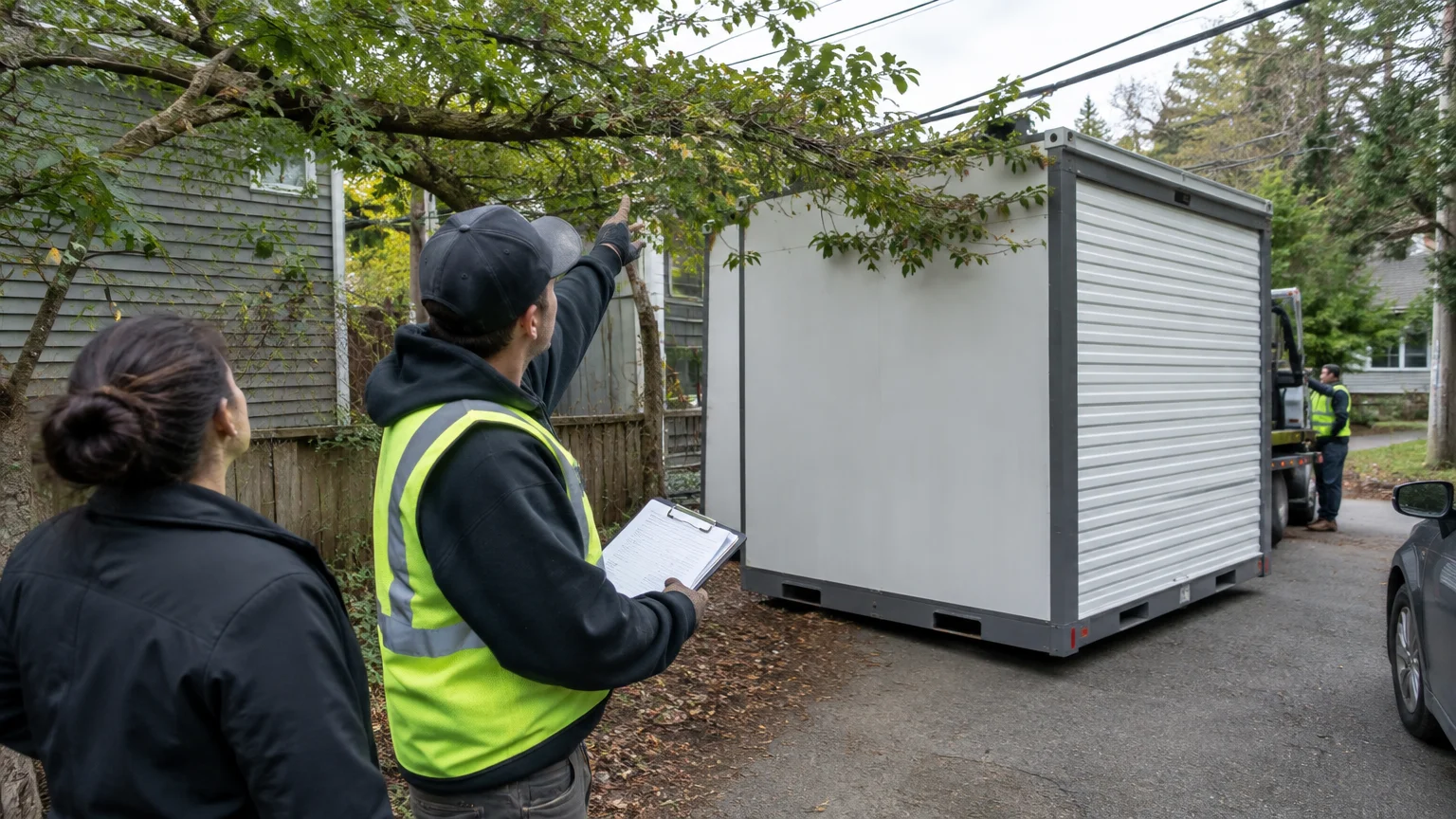
Moving pods cost depends on more than the container itself. Distance, container size, rental time, storage, access, and labor can all change the estimate. Knowing these factors helps homeowners, tenants, and business owners compare plans and avoid surprise fees when arranging a move in Lynchburg.
A container move may seem simple. A provider brings a container, you load it, and the provider moves it to the next address. Yet a small apartment, full home, and office move each need a different plan.
Your time and physical ability also matter. Some people pack and load at their own pace. Others need help with heavy furniture, stairs, or tight spaces. Lynchburg Movers can help customers review their choices before booking.
Table of Contents
- What is included in the cost of a container move?
- How does moving distance affect moving PODs cost?
- How does container size change the total price?
- How does the length of a container rental affect cost?
- Which site and access conditions can increase container costs?
- Is a moving container cheaper than hiring a moving crew?
- How can you compare container move estimates accurately?
- Frequently Asked Questions
What is included in the cost of a container move?
A container move often includes delivery, a set rental period, transport, and pickup. The package can vary by provider, route, container type, and destination. Read the full moving estimate before booking. Two plans may use similar names but include different services.
A moving container is a portable storage unit brought to a home or business. You load the unit, and the provider moves it to another address or storage site. Some providers also offer indoor or outdoor storage while you wait.
Which services are usually included?
Common parts of a container move may include:
- Delivery of an empty container to the starting property
- Time for packing and loading the container
- Transport to the next address or a storage facility
- Pickup from the starting address
- Delivery to the destination when you are ready
- Basic use of storage when that service is selected
Packing supplies are not always part of the plan. Boxes, wrap, tape, mattress covers, and furniture pads may cost extra. Loading help may also be separate. Customers who need help with heavy items can book Loading & Unloading Help for safer handling.
What charges may appear separately?
Separate charges may relate to storage, extra rental days, special delivery needs, restricted access, or added labor. Long carries, stairs, narrow roads, and delivery date changes may also affect the estimate.
A clear estimate should explain what the base service covers. It should also state when payment is due and how schedule changes work. Lynchburg Movers helps customers review these details before they choose a moving plan.
How does moving distance affect moving PODs cost?
Distance often affects moving pods cost because longer routes need more travel time, fuel, planning, and equipment use. A short local move may use a simple route. A long move may need wider delivery windows and more planning between locations.
Some moves use more than one part of the provider’s network. The container might move from your home to a storage yard, then to the new address. Each step can change the estimate.
Why do local and long-distance moves price differently?
A local move usually has fewer route miles and simpler scheduling. A long-distance move may take more road time and need more care during pickup and delivery. Traffic, weather, road limits, and busy seasons can affect available dates.
Both addresses matter. A move between nearby towns may be easier than a shorter move to a hard-to-reach property. Give the provider both full addresses. A city name alone may not show the true route or delivery conditions.
How can delivery routes and access change the estimate?
A route may include toll roads, narrow streets, low bridges, steep grades, or restricted areas. These conditions can affect the equipment used for delivery. They may also require a different drop-off plan.
Ask if pickup and delivery happen at the door or at another nearby place. Ask how route changes are handled as well. Clear details help create a better plan for homes and offices around Lynchburg, including Rivermont, Fort Hill, Madison Heights, Timberlake, Rustburg, and Appomattox.
How does container size change the total price?
Container size affects the total because larger units need more space, handling, and transport capacity. The smallest suitable unit may fit your plan well. A unit that is too small may require another container or another delivery.
Moving PODS sizes vary by provider. One unit may suit a studio, while another may fit a large home or small office. The right choice depends on furniture, boxes, appliances, and how well items can be packed.
How much space does a household or office move need?
A small apartment needs less space than a home with many rooms. Large sofas, beds, desks, cabinets, and appliances fill a container quickly. An office may also need room for workstations, shelves, stock, and equipment.
Make a simple inventory before requesting an estimate. List large items first, then count boxes by room. Photos can help show unusual or bulky items. The provider can then suggest a container size based on the load.
Good packing also saves space. Put plates on their edges with padding between them. Wrap bowls on all sides. Keep heavy boxes low and lighter items above them. These steps help protect dishes and make the container easier to load.
What happens if you need a larger container?
A larger container may change delivery space, transport plans, and storage needs. If the first unit cannot hold everything, you may need another container or a later pickup. This can affect the schedule and estimate.
Do not fill every open space with loose items. Items need support so they do not shift during travel. A careful loading plan matters almost as much as the container size.
How does the length of a container rental affect cost?
The rental period affects cost because the container may stay at your old home, in storage, or at the new property. More time gives you flexibility, but extra days may add charges after the included period. The estimate should show planned dates and extension terms.
Some people load over a few days. Others need more time because they are working, waiting for a closing, or handling a sale. Choose a rental period that fits your real schedule.
What does the rental period usually cover?
Ask when the rental clock begins and ends. It may begin when the container arrives, enters storage, or the booking is confirmed. Also ask when the transport date becomes fixed.
A home move may need extra time when rooms are packed in stages. An office move may need work-hour planning. Tenants should check lease dates and building rules before selecting delivery and pickup days.
How are extra days and extensions charged?
Extra days may follow the provider’s extension rules. The amount can depend on container type, location, season, and whether the unit stays at the property or moves to storage. Ask for the policy before booking.
Ask how much notice is needed for an extension. A late request may not fit the transport schedule. Clear dates also make it easier to arrange loading help.
Which site and access conditions can increase container costs?
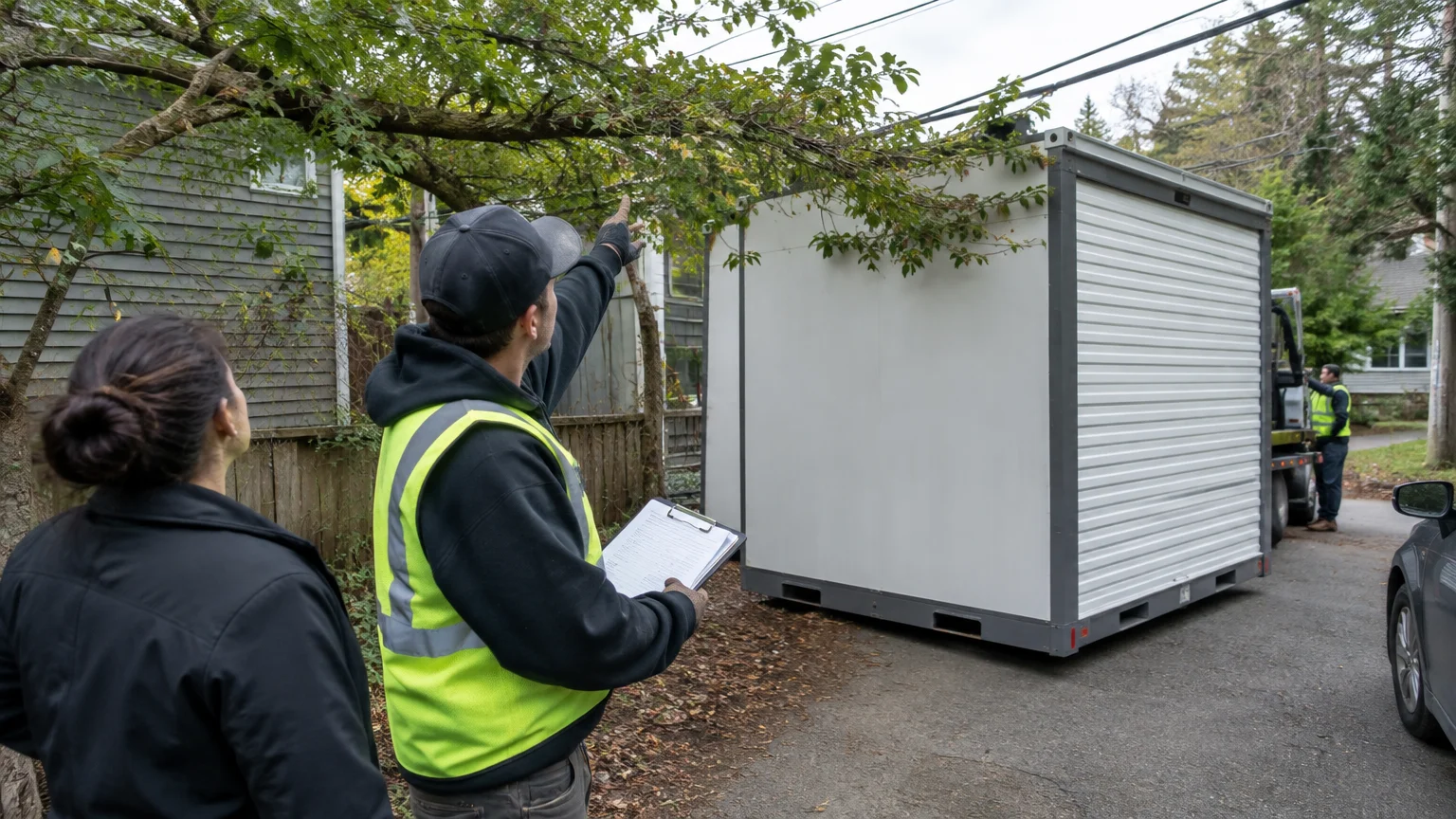
Site conditions can affect container costs when a property is hard to reach, park beside, or load safely. The delivery vehicle needs enough room to place and collect the unit. A driveway or parking area may not work as expected from a map.
Inspect the placement area before delivery. Look for low branches, wires, steep slopes, soft ground, parked cars, and narrow turns. The provider may ask for photos or measurements.
How do driveways, streets, and parking affect placement?
A container often needs a firm, level surface. A narrow street may limit where the vehicle can stop. A shared driveway, apartment lot, or office park may need approval from a landlord, manager, or local authority.
Reserve the placement area and remove nearby obstacles. Check rules for elevators, loading bays, parking permits, and delivery hours. Good planning can help prevent delays on moving day.
When might permits, special equipment, or extra labor be needed?
A permit may be needed when a container sits on a public street or restricted space. Local rules differ, so check with the city or property manager. The provider can explain delivery needs, but the customer may still need to secure approval.
Special equipment or labor can help with stairs, long carries, poor ground, or heavy items. Professional movers can protect floors and guide large furniture. This may help during a home or office move across the Lynchburg area.
Is a moving container cheaper than hiring a moving crew?
A moving container may suit customers who can pack, load, and unload without paid labor. A full-service crew may be a better fit for a large, rushed, complex, or demanding move. The right choice depends on time, risk, access, and included work.
A container gives you more control over the schedule. It can work well when you pack one room at a time. It may also help when the new home is not ready and storage is needed.
When does a container make financial sense?
A container may work well when you have flexible dates, safe placement space, and help with loading. It also suits people who want to pack their own belongings and move in stages.
Plan for boxes, packing supplies, blankets, equipment, and time. Heavy furniture can cause injury or damage when handled without the right tools. Loading & Unloading Help can provide a middle option between doing everything alone and hiring a full-service crew.
When is a full-service moving crew the better value?
A crew may be a better fit when you lack time, have heavy items, or face stairs and narrow spaces. A crew can manage packing, protection, loading, transport, and unloading as one plan.
This service may also reduce downtime for a business. Commercial & Office Movers can work around staff, equipment, and opening hours. Apartment Movers may help renters with elevators, halls, stairs, and building rules. Compare the full work involved, not only the transport line.
How can you compare container move estimates accurately?
Compare the same services, dates, container size, route, storage time, and access needs. A lower starting estimate may not include the same work as another quote. Each provider should explain what is included and what could change.
A useful moving budget includes the container, transport, storage, packing supplies, labor, permits, and schedule changes. It should also include cleaning, utility timing, and building fees when they apply.
Which questions should you ask before booking?
Ask:
- What does the quoted service include from delivery through pickup?
- How long can the container stay at the property or in storage?
- What happens if the move date changes?
- What container size fits the planned inventory?
- Can the provider reach the driveway, street, or loading area?
- Are supplies, protection, labor, or permits separate?
- How are damage, access problems, and delays handled?
Get the answers in writing. Compare matching details instead of comparing only the first number you hear. Confirm whether the estimate covers a direct move, storage, or several delivery stages.
What should a realistic moving budget include?
A budget should include every task you plan to handle or hire out. That means packing, furniture protection, loading, transport, unloading, storage, and cleanup. Allow time for closing dates, building access, weather, and plan changes.
Lynchburg Movers can help customers review the work involved before choosing a container or moving crew. For people planning a move in Lynchburg, a clear talk about access, furniture, and timing can make the choice easier.
Key takeaways
- Distance, routes, and delivery access can affect the estimate.
- Container size should match furniture, boxes, appliances, and office items.
- Extra rental days and storage may change the total plan.
- Packing and loading labor may be separate from container transport.
- The best option depends on time, strength, access, and move size.
Conclusion
A container move can give you control over packing and timing. It is not always the cheapest choice, and a full-service crew is not always the best fit. Compare the complete plan so you can choose with fewer surprises.
Frequently Asked Questions
How far in advance should someone arrange a moving container?
Arrange a container as soon as your dates are known. This matters when a lease, home closing, or office deadline is involved. Early planning gives you time to confirm size, placement, storage, permits, and loading help.
Can a moving container stay at the new property?
A container may stay at the new property when there is enough space and the provider allows it. Confirm the rental period, surface, access, and local rules first. Storage may work better when the home is not ready.
How should dishes be packed for a container move?
Wrap dishes one at a time and place them on edge in strong boxes. Do not stack plates flat in a tall pile. Add padding around bowls and fill empty spaces so dishes cannot shift during travel.
Are moving pods suitable for office relocations?
Moving PODS can suit an office when the business has time to pack and load in stages. Plan for desks, chairs, cabinets, electronics, stock, and data security. A commercial moving crew may work better when downtime must stay short.
Does moving pods cost depend on storage time?
Yes. Storage time can affect moving pods cost because the container may remain at the property or in a storage facility longer. Ask when storage charges begin, how extensions work, and whether delivery after storage is included.
For help reviewing your move plan, Contact us to discuss the property, schedule, and load with Lynchburg Movers.
If you are not sure what you are dealing with, it is worth having someone look at it before it turns into a bigger job. Get in touch with Lynchburg Movers today and we will tell you where you stand.